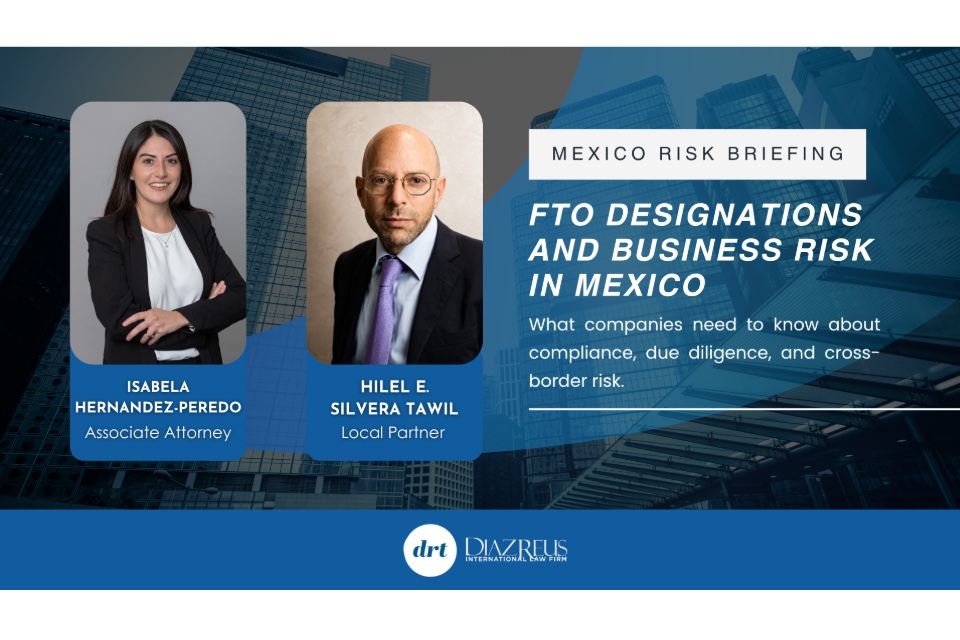
Chambers Latin America 2026 — by Michael Diaz, Jr., Javier Coronado, Isabela Hernandez-Peredo, Gábor Gazsó von Klingspor and John Foster.
Since President Trump returned to office, the United States has significantly shifted its approach to financial-crime enforcement – most notably by designating major drug cartels and other transnational criminal organisations as Foreign Terrorist Organisations (FTOs) and imposing sweeping economic sanctions that increase legal exposure for companies operating in or with Latin America. At the same time, the government has recalibrated its white-collar enforcement priorities to focus on protecting US national interests while incentivising corporate co-operation. These developments form part of a broader “maximum pressure” strategy – marked by new tariffs, export controls and immigration-related actions targeting US adversaries and those perceived to support them.
In this context, businesses must now navigate both traditional risks involving money laundering, corruption and sanctions evasion, as well as the novel danger of transactions that could be treated under the rubric of material support for terrorist organisations. Accordingly, the new enforcement policies and priorities present a series of legal and compliance challenges that demand immediate attention from directors, in-house counsel, compliance officers and other key stakeholders.